Psychology seeks to understand the complex web of human behavior, cognition, and emotion through systematic scientific inquiry. Among the various research methodologies available to psychologists, correlational research stands as one of the most widely used and practically valuable approaches. This non-experimental method allows researchers to examine relationships between variables as they naturally occur, without the need to manipulate or control experimental conditions.
Correlational research serves as the backbone of much psychological investigation, particularly in areas where experimental manipulation would be unethical, impractical, or impossible. When we want to understand whether there’s a relationship between childhood trauma and adult anxiety levels, or how personality traits relate to academic performance, correlational methods provide the tools to explore these connections systematically and scientifically.
The significance of correlational research extends far beyond academic curiosity. These studies inform clinical practice, guide educational policies, shape therapeutic interventions, and contribute to our understanding of mental health, social behavior, and human development. From large-scale epidemiological studies tracking mental health trends across populations to intimate examinations of relationship dynamics between couples, correlational research provides insights that directly impact how we understand and help people.
However, correlational research comes with both tremendous strengths and important limitations that every student of psychology must understand. While these studies can reveal fascinating patterns and relationships, they require careful interpretation and cannot establish causation. This article will explore the foundations of correlational research, its applications across psychological disciplines, and the critical thinking skills needed to properly interpret correlational findings.
What is Correlational Research?
Correlational research is a quantitative research method that measures the degree to which two or more variables are related or associated with one another. Unlike experimental research, correlational studies do not involve the manipulation of variables by the researcher. Instead, researchers observe and measure variables as they naturally exist, then use statistical techniques to determine whether systematic relationships exist between them.
At its core, correlational research asks the fundamental question: “As one variable changes, does another variable tend to change in a predictable way?” For example, researchers might investigate whether students who report higher levels of test anxiety tend to have lower exam scores, or whether individuals with stronger social support networks report better mental health outcomes. These investigations rely on measuring both variables across a sample of participants and then calculating the strength and direction of their relationship.
The key distinction between correlational and experimental research lies in control and manipulation. In experimental research, investigators actively manipulate an independent variable to observe its effect on a dependent variable while controlling for other factors. Correlational research, by contrast, involves measuring variables without intervention, allowing researchers to study phenomena as they occur naturally in real-world settings.
This naturalistic approach makes correlational research particularly valuable for studying variables that cannot or should not be manipulated experimentally. Researchers cannot ethically expose children to trauma to study its effects, nor can they randomly assign people to different personality types. However, they can measure existing levels of trauma exposure and personality traits to examine how these variables relate to various outcomes.
Correlational research encompasses a broad range of methodological approaches, from simple bivariate correlations examining the relationship between two variables to complex multivariate analyses that can examine dozens of variables simultaneously. These studies can be conducted using various data collection methods, including surveys, observational techniques, archival records, and standardized assessments, making correlational research one of the most flexible and adaptable research approaches in psychology.
Types of Correlational Research
Correlational research manifests in several distinct forms, each suited to different research questions and contexts. Understanding these various approaches helps researchers select the most appropriate method for their specific investigation and helps consumers of research better evaluate the strengths and limitations of different studies.
A. Naturalistic Observation Studies
Naturalistic observation represents perhaps the purest form of correlational research, involving the systematic observation and recording of behavior as it occurs in natural settings without any researcher interference. These studies allow psychologists to examine relationships between variables in real-world contexts where behavior unfolds organically.
In naturalistic observation studies, researchers might position themselves in parks, schools, workplaces, or other natural environments to observe and code specific behaviors. For example, a researcher studying the relationship between parental responsiveness and child emotional regulation might observe parent-child interactions in playground settings, coding both parental behaviors (such as frequency of positive responses to child requests) and child behaviors (such as instances of emotional outbursts or self-soothing behaviors).
The strength of naturalistic observation lies in its ecological validity—the behaviors observed are genuine and occur in the contexts where they naturally happen. However, these studies can be time-intensive and may be limited by the researcher’s ability to observe all relevant variables or control for confounding factors in complex natural environments.
B. Survey and Questionnaire Research
Survey research represents the most common form of correlational study in psychology, involving the systematic collection of self-report data from large samples of participants. Through carefully constructed questionnaires, researchers can efficiently gather information about attitudes, behaviors, experiences, and characteristics that would be impossible to observe directly.
Modern survey research often employs standardized psychological instruments with established reliability and validity. For instance, a researcher investigating the relationship between perfectionism and academic stress might administer the Multidimensional Perfectionism Scale alongside measures of academic stress and performance indicators. Large-scale surveys can include hundreds or thousands of participants, providing substantial statistical power to detect even modest correlations.
The efficiency and scope of survey research make it particularly valuable for studying relationships across diverse populations and for examining multiple variables simultaneously. However, survey research relies on participants’ ability and willingness to accurately report their experiences, which can introduce various forms of bias including social desirability effects and memory limitations.
C. Archival Research
Archival research involves the analysis of existing records, databases, and historical documents to identify correlational patterns. This approach allows researchers to examine relationships using data that already exists, often spanning longer time periods or larger populations than would be feasible in primary data collection.
Examples of archival research might include analyzing hospital records to examine relationships between seasonal patterns and depression admissions, using academic records to study correlations between extracurricular participation and academic achievement, or examining historical crime statistics in relation to economic indicators. In the digital age, archival research increasingly involves analysis of large datasets from electronic health records, social media platforms, or government databases.
Archival research offers unique advantages including access to large sample sizes, longitudinal data spanning years or decades, and the ability to study phenomena retrospectively. However, researchers using archival data are limited to the variables that were originally recorded and must work with data that may have been collected for different purposes, potentially limiting the precision of their measures.
Understanding Correlation Coefficients
The heart of correlational research lies in quantifying the strength and direction of relationships between variables through correlation coefficients. These statistical measures provide standardized ways to express how closely two variables are related, allowing researchers to compare relationships across different studies and contexts.
A. Pearson’s r and Statistical Significance
The Pearson product-moment correlation coefficient, commonly denoted as r, serves as the most widely used measure of linear correlation in psychological research. This statistic ranges from -1.00 to +1.00, providing both the strength and direction of the relationship between two continuous variables.
The magnitude of r indicates the strength of the relationship. Values closer to -1.00 or +1.00 represent stronger relationships, while values closer to 0 indicate weaker relationships. Conventional interpretations suggest that correlations around .10 represent small effects, .30 represent medium effects, and .50 represent large effects, though these benchmarks should always be considered within the context of the specific research domain.
Statistical significance testing determines whether the observed correlation is likely to represent a genuine relationship in the population rather than occurring by chance. A statistically significant correlation (typically p < .05) suggests that the relationship observed in the sample is unlikely to be due to random sampling variation. However, statistical significance should not be confused with practical significance—even very small correlations can be statistically significant with large sample sizes, while they may have little real-world importance.
B. Positive vs. Negative Correlations
The direction of a correlation, indicated by the sign of the coefficient, reveals how variables relate to one another. Positive correlations occur when both variables tend to increase or decrease together. For example, research consistently shows positive correlations between hours of sleep and academic performance—as sleep duration increases, academic performance tends to improve as well.
Negative correlations indicate that as one variable increases, the other tends to decrease. A classic example is the negative correlation between anxiety levels and test performance—higher anxiety is typically associated with lower test scores. It’s crucial to note that negative correlations are not “bad” correlations; they simply describe a different pattern of relationship.
Understanding the direction of correlations helps researchers and practitioners make predictions and develop interventions. If we know that social support correlates positively with mental health outcomes, we might predict that individuals with stronger support networks will report better psychological well-being.
C. Statistical vs. Practical Significance
One of the most important distinctions in interpreting correlational research involves understanding the difference between statistical and practical significance. Statistical significance indicates that a relationship is unlikely to be due to chance, but it doesn’t necessarily mean the relationship is meaningful or important in practical terms.
With very large sample sizes, even tiny correlations (such as r = .05) can achieve statistical significance. While such relationships might be statistically reliable, they may explain less than 1% of the variance in outcomes and have minimal practical utility for prediction or intervention. Conversely, moderate correlations in smaller studies might not reach statistical significance but could represent practically meaningful relationships worthy of further investigation.
Practical significance is often assessed by considering the coefficient of determination (r²), which indicates the proportion of variance in one variable that is associated with variance in another variable. A correlation of r = .30 corresponds to r² = .09, meaning that about 9% of the variance in one variable is associated with the other variable. While this might seem small, in complex human behavior where multiple factors influence outcomes, explaining 9% of variance can be quite meaningful.
Researchers and consumers of research must consider both statistical and practical significance when interpreting correlational findings. This dual consideration helps ensure that research conclusions are both scientifically sound and practically relevant for understanding and improving human behavior and well-being.
Strengths of Correlational Research
Correlational research offers numerous advantages that make it an indispensable tool in the psychological researcher’s methodological arsenal. These strengths explain why correlational methods remain so prevalent across diverse areas of psychological investigation, from clinical assessment to large-scale epidemiological studies.
Perhaps the most significant strength of correlational research lies in its ethical advantages. Many psychological phenomena of interest cannot be studied experimentally due to ethical constraints. Researchers cannot randomly assign children to abusive households to study the effects of maltreatment, nor can they deliberately induce depression or anxiety disorders to examine their consequences. Correlational research allows psychologists to study these important relationships by examining naturally occurring variations in experiences and outcomes, providing crucial insights while maintaining ethical standards.
The real-world applicability of correlational research represents another major strength. Because correlational studies examine variables as they naturally occur, their findings often have high ecological validity. When researchers discover that workplace social support correlates with job satisfaction and reduced burnout, these findings directly apply to actual workplace settings without the artificial constraints sometimes present in experimental laboratory conditions. This naturalistic approach means that correlational findings often translate more readily into practical applications and interventions.
Correlational research also excels in its ability to examine multiple variables simultaneously. While experimental studies typically focus on the relationship between one independent variable and one dependent variable, correlational studies can explore complex networks of relationships among dozens of variables in a single investigation. This capability is particularly valuable in psychology, where human behavior typically results from the interaction of multiple factors rather than single causes.
The efficiency and cost-effectiveness of correlational research make it accessible to researchers with varying resources. Large-scale survey studies can collect data from thousands of participants relatively quickly and inexpensively compared to intensive experimental manipulations. This efficiency enables researchers to achieve the large sample sizes necessary for detecting modest but meaningful relationships and for examining rare phenomena that would be difficult to study experimentally.
Correlational research also provides valuable exploratory capabilities. When researchers are investigating new areas or seeking to understand complex phenomena, correlational studies can identify patterns and relationships that warrant further investigation through experimental methods. These exploratory findings often generate hypotheses that can later be tested through more controlled experimental designs, making correlational research an essential component of the research process.
Finally, correlational methods offer flexibility in research design and data collection. Researchers can employ various approaches—from intensive case studies to massive cross-cultural surveys—depending on their specific research questions and available resources. This methodological flexibility allows correlational research to address questions across the entire spectrum of psychological inquiry.
Limitations and Challenges
Despite its numerous strengths, correlational research faces several significant limitations that researchers and consumers of research must carefully consider. Understanding these limitations is crucial for proper interpretation of correlational findings and for recognizing when experimental or other research methods might be more appropriate.
A. The Correlation-Causation Problem
The most fundamental limitation of correlational research is its inability to establish causation. The presence of a correlation between two variables does not indicate that one variable causes changes in the other. This limitation is so central to understanding correlational research that it merits detailed examination with concrete examples.
Consider the well-documented negative correlation between depression and physical exercise. Numerous studies have found that individuals who exercise more frequently report lower levels of depression. However, this correlation alone cannot tell us whether exercise reduces depression, whether depression reduces motivation to exercise, or whether both variables are influenced by a third factor such as overall health status or socioeconomic resources.
The correlation-causation problem becomes particularly complex when dealing with variables that likely influence each other bidirectionally. The relationship between marital satisfaction and individual well-being exemplifies this complexity. Happy individuals may be more pleasant partners, leading to better marriages, while satisfying marriages may contribute to individual happiness. Both directions of causation could be operating simultaneously, making it impossible to determine from correlational data alone which factor is the primary cause.
This limitation has important practical implications. While correlational research might reveal that children from single-parent households show higher rates of behavioral problems, this finding cannot support the conclusion that single-parent family structure causes behavioral difficulties. The correlation might reflect socioeconomic factors, parental stress levels, or numerous other variables that differ between single-parent and two-parent families.
B. Third Variable Problem
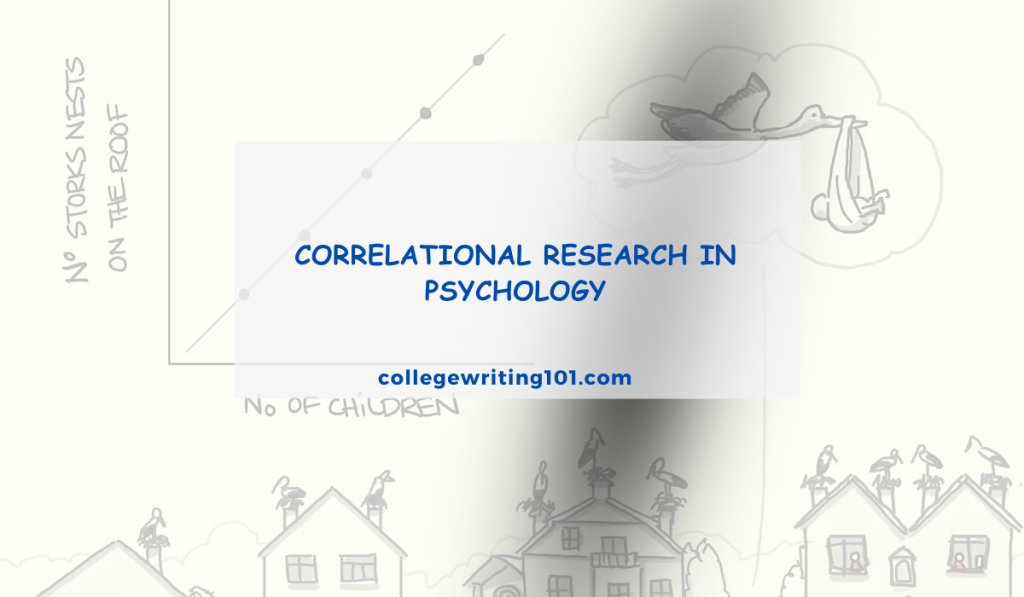
The third variable problem represents another major challenge in correlational research. Even when two variables show a strong correlation, their relationship might be entirely explained by their mutual association with an unmeasured third variable. This problem can create spurious correlations that appear meaningful but actually reflect coincidental relationships.
A classic example illustrates this problem clearly. Researchers might observe a positive correlation between ice cream sales and violent crime rates—both tend to increase during the same time periods. However, this correlation doesn’t suggest that ice cream consumption causes violence or that violent crime somehow increases ice cream purchases. Instead, both variables are likely influenced by temperature, with hot weather increasing both ice cream sales and aggressive behavior.
The third variable problem is particularly challenging because the relevant third variables are often not obvious or easily measured. Consider the correlation between television viewing and childhood obesity. While this relationship might suggest that television watching causes weight gain through reduced physical activity, the correlation might actually reflect family socioeconomic status, parental involvement, neighborhood safety, or cultural factors that influence both television habits and eating patterns.
In psychological research, third variables can be especially subtle and numerous. The correlation between certain personality traits and academic achievement might be mediated by factors such as family expectations, peer influences, teacher attitudes, or genetic factors that affect both personality development and cognitive abilities. Identifying and controlling for all relevant third variables is often impossible, making it difficult to determine the true nature of observed correlations.
C. Restriction of Range Issues
Restriction of range problems occur when the sample studied doesn’t adequately represent the full range of possible values on the variables of interest. This limitation can artificially weaken correlations, making genuine relationships appear smaller than they actually are in the broader population.
For example, if researchers study the relationship between intelligence and academic performance using only college students from highly selective universities, they might find a weaker correlation than actually exists in the general population. Because college admission processes already select for high intelligence and academic ability, the restricted range of both variables in this sample would likely attenuate the correlation coefficient.
Range restriction can also occur when researchers inadvertently exclude certain groups from their samples. Studies examining the relationship between parenting styles and child outcomes might show different patterns if they include only middle-class families compared to studies that include families across the full socioeconomic spectrum. The restricted range in the first sample might obscure important relationships that become apparent when the full range of variation is represented.
This problem highlights the importance of careful sample selection and the need to consider how sample characteristics might affect the interpretation of correlational findings. Researchers must be mindful of whether their samples adequately represent the populations to which they wish to generalize their findings, and consumers of research should consider how sample restrictions might influence the conclusions drawn from correlational studies.
Real-World Applications in Psychology
Correlational research finds extensive application across all major domains of psychology, providing insights that directly inform clinical practice, educational policy, and therapeutic interventions. Examining specific applications within different psychological specialties illustrates both the versatility and practical value of correlational methods.
A. Clinical Psychology
In clinical psychology, correlational research plays a fundamental role in understanding mental health disorders, developing assessment tools, and evaluating treatment outcomes. Clinicians regularly rely on correlational findings to make diagnostic decisions and treatment recommendations.
One prominent example involves research on the relationship between sleep disturbances and depression. Extensive correlational studies have documented strong associations between poor sleep quality and depressive symptoms across diverse populations. These findings have led to the development of sleep-focused interventions for depression and have influenced diagnostic criteria that now recognize sleep disturbances as a core feature of major depressive episodes. Clinicians use this correlational knowledge to assess sleep patterns as both a symptom and potential treatment target for depressed clients.
Correlational research has also been instrumental in identifying risk and protective factors for various mental health conditions. Studies examining the relationships between childhood trauma exposure and later psychological difficulties have revealed dose-response relationships, where greater trauma exposure correlates with increased risk for conditions such as post-traumatic stress disorder, depression, and substance abuse. These findings inform both prevention efforts and treatment approaches that address trauma history.
In the assessment domain, the development and validation of psychological tests relies heavily on correlational methods. Researchers establish the validity of new depression inventories by demonstrating correlations with existing measures, clinical diagnoses, and relevant behavioral indicators. The Beck Depression Inventory, for instance, was validated through correlational studies showing appropriate relationships with clinician ratings and other depression measures.
B. Social Psychology
Social psychology extensively employs correlational research to understand relationships between personality characteristics, social environments, and behavioral outcomes. These studies provide insights into fundamental questions about human social behavior and interpersonal relationships.
Research on personality and social behavior exemplifies this application. Studies have revealed consistent correlations between extraversion and social network size, with more extraverted individuals typically maintaining larger circles of friends and acquaintances. This correlational finding has informed theories about personality development and has practical implications for understanding social adjustment difficulties in introverted individuals.
Correlational research in social psychology has also advanced understanding of prejudice and discrimination. Studies examining relationships between contact with out-group members and prejudicial attitudes have consistently found negative correlations—greater intergroup contact is associated with reduced prejudice. These findings have influenced social policies promoting integration and have informed interventions designed to reduce bias through structured contact experiences.
Research on social support represents another important application area. Correlational studies have documented relationships between perceived social support and numerous positive outcomes, including better physical health, enhanced psychological well-being, and improved coping with stress. These findings have led to the development of social support interventions and have influenced therapeutic approaches that emphasize building social connections.
C. Developmental Psychology
Developmental psychology relies heavily on correlational research to understand relationships between early experiences and later outcomes, as well as to identify factors that promote healthy development across the lifespan.
Attachment research exemplifies the power of correlational methods in developmental psychology. Studies beginning with Mary Ainsworth’s Strange Situation procedure have documented correlations between early parent-child attachment patterns and later social, emotional, and cognitive development. Children classified as securely attached in infancy show correlations with better peer relationships, higher self-esteem, and more effective emotion regulation in later childhood and adolescence. These correlational findings have profoundly influenced parenting practices and childcare policies.
Educational psychology within the developmental domain has produced numerous correlational findings with direct practical applications. Research consistently shows positive correlations between parental involvement in education and student academic achievement. These findings have informed school policies encouraging parent participation and have led to interventions designed to increase family engagement in children’s education.
Longitudinal correlational studies in developmental psychology have been particularly valuable for understanding how early risk and protective factors relate to long-term outcomes. The landmark Perry Preschool Project and similar studies have documented correlations between high-quality early childhood education and numerous positive life outcomes, including higher graduation rates, increased employment, and reduced criminal behavior. These correlational findings have provided crucial evidence supporting investment in early childhood programs.
D. Health Psychology
Health psychology extensively uses correlational research to understand relationships between psychological factors and physical health outcomes. These studies have revealed important connections between mental and physical well-being that inform both prevention and treatment approaches.
Stress research represents a cornerstone of health psychology’s correlational findings. Studies have documented correlations between chronic stress exposure and numerous health problems, including cardiovascular disease, immune system dysfunction, and accelerated aging. The relationship between job stress and heart disease, for example, has been demonstrated through multiple large-scale correlational studies that track employees over many years. These findings have influenced workplace policies and stress management interventions.
Correlational research has also revealed important relationships between psychological factors and health behaviors. Studies consistently show correlations between self-efficacy beliefs and health-promoting behaviors such as exercise, healthy eating, and medication adherence. Individuals with stronger beliefs in their ability to successfully engage in healthy behaviors are more likely to maintain these behaviors over time. These findings have informed the development of behavioral interventions that focus on building self-efficacy as a pathway to behavior change.
Research on social relationships and health provides another compelling example. Large-scale correlational studies have documented robust relationships between social isolation and mortality risk, with socially isolated individuals showing mortality risks comparable to those associated with smoking or obesity. These findings have led to greater clinical attention to social factors in health assessment and have influenced public health initiatives addressing loneliness and social isolation.
Best Practices and Methodological Considerations
Conducting rigorous correlational research requires careful attention to methodological details that can significantly impact the validity and interpretability of findings. Understanding these best practices is essential for both researchers conducting correlational studies and consumers evaluating published research.
Sample size considerations represent a fundamental aspect of correlational research design. Adequate statistical power is necessary to detect meaningful correlations, particularly when expected effect sizes are small to moderate. Rules of thumb suggest minimum sample sizes of 30 participants for detecting large correlations, 85 for medium correlations, and 300 for small correlations, though these guidelines should be adjusted based on specific research contexts and the number of variables being examined. Large sample sizes also provide more stable correlation estimates and greater generalizability of findings.
The selection and measurement of variables requires careful consideration to ensure that correlational findings are meaningful and interpretable. Researchers should use validated measures with established reliability and validity whenever possible. When existing measures are unavailable, pilot testing of new instruments is essential to establish their psychometric properties. The choice of measurement scales can also affect correlation coefficients, with restriction of range potentially attenuating relationships and measurement error reducing the strength of observed correlations.
Control variables play a crucial role in strengthening correlational research by addressing potential third variable problems. Researchers should identify and measure relevant confounding variables based on theoretical considerations and previous research. Statistical techniques such as partial correlation and multiple regression allow researchers to examine relationships between variables while controlling for the effects of other factors. However, controlling for too many variables can also create problems, potentially removing meaningful variance and making results difficult to interpret.
Sampling strategies significantly impact the generalizability of correlational findings. Representative sampling from the target population is ideal, though often impractical for many psychological studies. Researchers should clearly describe their sampling procedures and acknowledge limitations in generalizability. Attention to demographic diversity is particularly important, as correlational relationships may vary across different groups. What appears as a strong correlation in one demographic group might be weak or absent in another.
Data screening and assumption checking are essential steps in correlational analysis. Researchers should examine distributions for normality, identify and address outliers, and check for linearity in relationships. Non-linear relationships might be missed by standard correlation coefficients, while outliers can artificially inflate or deflate correlation magnitudes. Appropriate data transformations or alternative analytical approaches may be necessary when assumptions are violated.
Transparency in reporting correlational results enhances the interpretability and replicability of research findings. Researchers should report not only correlation coefficients and significance levels but also confidence intervals, effect sizes, and measures of practical significance. Clear descriptions of participant characteristics, measurement procedures, and analytical approaches allow readers to properly evaluate the research and enable other researchers to replicate the studies.
Multiple study replication and cross-validation strengthen confidence in correlational findings. Single studies, regardless of their methodological rigor, provide limited evidence for stable relationships. Researchers should seek to replicate important correlational findings across different samples, settings, and measurement approaches. Meta-analytic techniques can synthesize findings across multiple correlational studies to provide more robust estimates of relationship strength and consistency.
Finally, appropriate interpretation and discussion of limitations are crucial for responsible correlational research. Researchers should avoid causal language when describing correlational findings and should explicitly discuss alternative explanations for observed relationships. Acknowledging limitations related to sampling, measurement, and design helps readers properly contextualize findings and guides future research directions. The goal is to present correlational findings as valuable pieces of evidence within the broader scientific enterprise rather than as definitive answers to complex psychological questions.
FAQs
What are the three characteristics of a correlational study?
Examines relationships between two or more variables without manipulation
Uses naturally occurring data or observations
Cannot establish causation, only association
What are 3 conditions of correlation?
Covariation – variables must vary together systematically
Temporal precedence – one variable should precede the other in time (for causal inference)
Elimination of alternative explanations – ruling out third variables that might explain the relationship
What are the key features of correlational research design?
Non-experimental approach with no variable manipulation
Measures strength and direction of relationships using correlation coefficients
Can be positive, negative, or zero correlation
Often uses surveys, archival data, or observational methods
Useful for prediction and identifying patterns
Limited by inability to determine cause-and-effect relationships
Vulnerable to confounding variables and spurious correlations